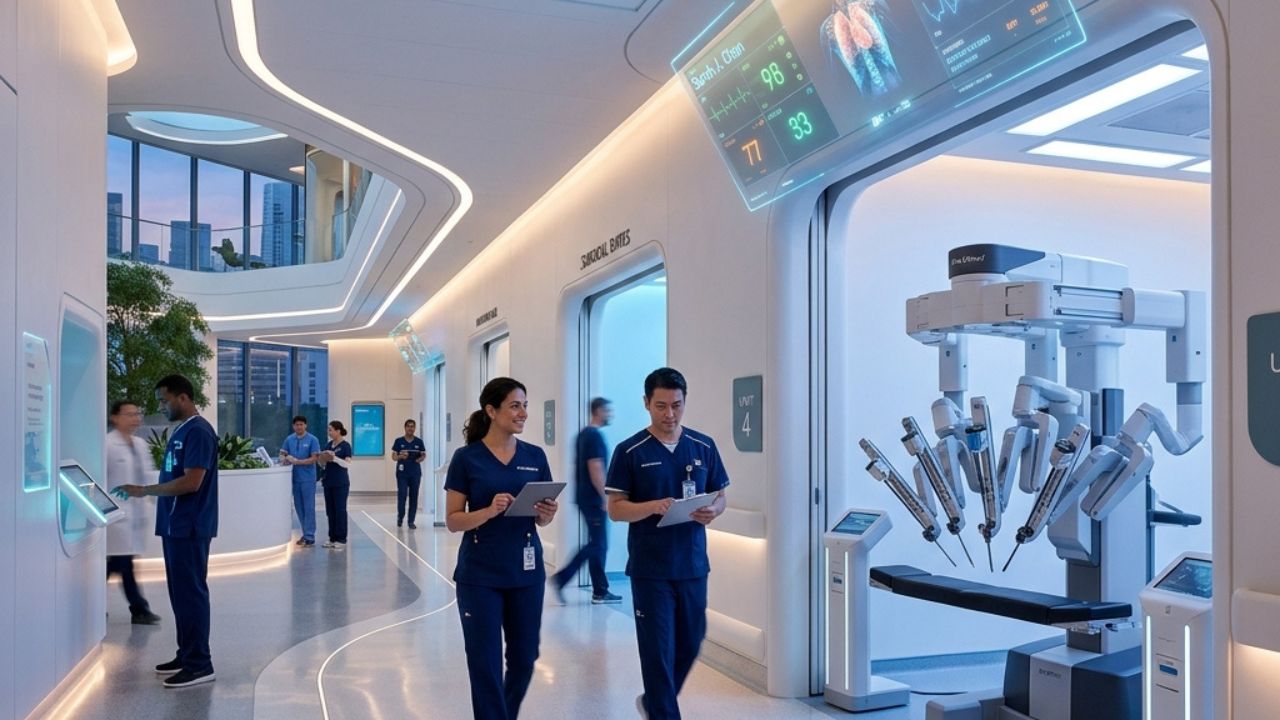
The top US hospitals for minimally invasive surgery (MIS) in 2026 include the Mayo Clinic, Cleveland Clinic, and Johns Hopkins Hospital. These institutions lead in advanced robotics, laparoscopic techniques, and accelerated recovery protocols. Patients should choose a medical facility based on the surgical team’s specific expertise, access to next-generation robotic platforms, and proven historical patient outcomes.
Undergoing surgery is a major life event. Fortunately, medical technology has advanced significantly over the past decade. Minimally invasive surgery (MIS) has replaced traditional open surgery for a wide variety of medical conditions. By using small incisions, specialized cameras, and robotic assistance, surgeons can perform complex procedures with unprecedented precision.
The benefits of minimally invasive surgery are well-documented. Patients experience reduced post-operative pain, shorter hospital stays, and faster returns to daily activities. Smaller incisions also mean a lower risk of infection and minimal scarring.
Finding the right medical center for your procedure requires careful research. The surgical outcomes depend heavily on the facility’s technological capabilities and the surgical team’s experience. This 2026 guide breaks down the top medical institutions leading the way in minimally invasive procedures across the United States.
What criteria define the best hospitals for minimally invasive surgery?
Identifying the premier healthcare facilities requires looking beyond basic reputation. The top-performing hospitals share several key characteristics that directly impact patient health.
- Advanced robotic technology: Leading hospitals invest heavily in the latest robotic surgical systems. These platforms give surgeons enhanced 3D visualization and greater dexterity than human hands alone can achieve.
- High surgical volume: Medical centers that perform a high volume of specific minimally invasive procedures generally report better patient outcomes. Repetition builds expertise.
- Multidisciplinary care teams: The best hospitals for minimally invasive surgery integrate surgeons, anesthesiologists, and specialized nurses to optimize the entire patient journey, from pre-op preparation to post-op recovery.
- Complication and infection rates: Top-tier medical institutions consistently maintain complication rates well below the national average [American College of Surgeons, 2025].
What are the top 10 US hospitals for minimally invasive surgery?
Based on technological integration, surgical volume, and patient safety records, the following ten institutions rank as the top US hospitals for minimally invasive surgery in 2026:
- Mayo Clinic (Rochester, MN): Renowned for pioneering complex robotic procedures across multiple specialties.
- Cleveland Clinic (Cleveland, OH): The global leader in minimally invasive cardiovascular and urological surgeries.
- Johns Hopkins Hospital (Baltimore, MD): Recognized for exceptional minimally invasive neurosurgery and oncology programs.
- Massachusetts General Hospital (Boston, MA): Features a massive dedicated robotic surgery training and research center.
- UCSF Medical Center (San Francisco, CA): Excels in minimally invasive gastrointestinal and gynecological operations.
- Stanford Health Care (Stanford, CA): Integrates artificial intelligence with robotic surgery for enhanced precision.
- Cedars-Sinai Medical Center (Los Angeles, CA): A high-volume center for minimally invasive orthopedic and spine procedures.
- NYU Langone Hospitals (New York, NY): Known for rapid recovery protocols and ultra-short hospital stays following MIS.
- Northwestern Memorial Hospital (Chicago, IL): Offers leading-edge minimally invasive thoracic and cardiac care.
- NewYork-Presbyterian Hospital (New York, NY): Combines the expertise of Columbia and Cornell universities for complex robotic surgeries.
Which leading US hospitals offer the most advanced minimally invasive programs?
While all ten hospitals listed above provide exceptional care, three institutions stand out for their highly specialized programs and technological innovations.
Mayo Clinic
The Mayo Clinic consistently ranks at the top of national hospital lists. The Rochester campus houses one of the largest robotic surgery fleets in the world. The Mayo Clinic specializes in multi-organ minimally invasive procedures, allowing patients with complex abdominal cancers to undergo a single operation rather than multiple open surgeries. Choose the Mayo Clinic if comprehensive, multi-specialty care matters more to you than geographical convenience.
Cleveland Clinic
The Cleveland Clinic is the undisputed leader in minimally invasive heart surgery. Surgeons at the Cleveland Clinic routinely perform robotic mitral valve repairs and coronary artery bypass grafting through incisions smaller than two inches. According to the facility’s annual report [Cleveland Clinic Outcomes, 2025], their minimally invasive cardiac patients return to work an average of three weeks faster than traditional open-heart surgery patients.
Johns Hopkins Hospital
Johns Hopkins Hospital excels in applying minimally invasive techniques to delicate neurosurgical and oncological conditions. The hospital utilizes advanced endonasal endoscopy, allowing surgeons to remove brain tumors through the nasal passages without opening the skull. Johns Hopkins Hospital is highly recommended for patients requiring complex tumor removals where preserving neurological function is the highest priority.
How do patients describe their minimally invasive surgery experiences?
Medical statistics provide one perspective, but personal experiences offer a clearer picture of the recovery process. Here are two fictionalized accounts based on typical outcomes at top-tier facilities:
“I needed a prostatectomy and chose a top robotic surgery center in California,” says David, 58. “The surgical team used the latest robotic platform. I was out of the hospital in 24 hours and needed nothing stronger than ibuprofen by day three. The small incisions healed within two weeks.”
Maria, 45, required a hysterectomy. “My local doctor suggested an open procedure, which meant six weeks of recovery. I traveled to a specialized minimally invasive clinic instead. They performed the procedure laparoscopically. I walked out of the hospital the same day and resumed my remote work by the following Monday.”
How should you choose the right hospital for your minimally invasive surgery?
Selecting a hospital is a highly personal decision. Use these criteria to narrow down your options:
- Match the hospital to the specific condition. A hospital known for orthopedic excellence might not be the best choice for a cardiac procedure. Research the facility’s specific department metrics.
- Verify the surgeon’s track record. Ask your prospective surgeon how many times they have performed your specific minimally invasive procedure. A minimum of 50 to 100 successful robotic procedures per year is a good baseline for expertise.
- Check insurance networks. Out-of-network costs at elite hospitals can be substantial. Confirm that your health insurance provider covers procedures at your chosen medical center.
- Evaluate travel logistics. If you select an out-of-state facility, factor in the cost and comfort of traveling shortly after surgery.
What is the future of minimally invasive surgery and robotic technology?
The medical field is currently experiencing a rapid technological evolution. By the end of the decade, artificial intelligence algorithms will actively assist surgeons during procedures by overlaying MRI and CT scan data directly onto the surgical camera feed in real-time.
Additionally, micro-robotics are entering clinical trials. These tiny devices can navigate through the human vascular system to clear blockages or deliver localized chemotherapy, eliminating the need for incisions entirely in certain cases. Hospitals that invest in these emerging technologies today will dictate the standard of care tomorrow.
Taking the next steps toward your minimally invasive procedure
Advancements in minimally invasive surgery have transformed patient recovery timelines and safety profiles. By choosing a facility with a proven track record, advanced robotic platforms, and high surgical volumes, you drastically improve your chances of a swift and successful recovery.
Start your journey by consulting with your primary care physician to determine if you are a candidate for minimally invasive surgery. From there, reach out to the specific departments at the hospitals listed in this guide to request surgical consultations and outcome data.
Frequently asked questions about minimally invasive surgery
What is the difference between laparoscopic and robotic surgery?
Laparoscopic surgery involves the surgeon directly holding and manipulating long surgical instruments through small incisions. Robotic surgery is a type of minimally invasive surgery where the surgeon controls robotic arms from a computer console, which provides greater range of motion and 3D magnification.
Does insurance cover robotic and minimally invasive surgery?
Most major health insurance providers and Medicare cover minimally invasive and robotic surgeries, provided the procedure is deemed medically necessary. However, you should always verify your specific network coverage and out-of-pocket maximums before scheduling an operation.
How long does it take to recover from minimally invasive surgery?
Recovery timelines depend entirely on the specific procedure performed. Many minimally invasive procedures are done on an outpatient basis, meaning the patient goes home the same day. Full return to normal activities typically ranges from one to four weeks, compared to six to eight weeks for traditional open surgery.
Am I guaranteed to have a minimally invasive procedure if I schedule one?
No surgical plan is completely guaranteed. In a small percentage of cases, a surgeon may need to convert a minimally invasive procedure into a traditional open surgery if they encounter unexpected anatomical challenges, severe scar tissue, or bleeding complications during the operation.