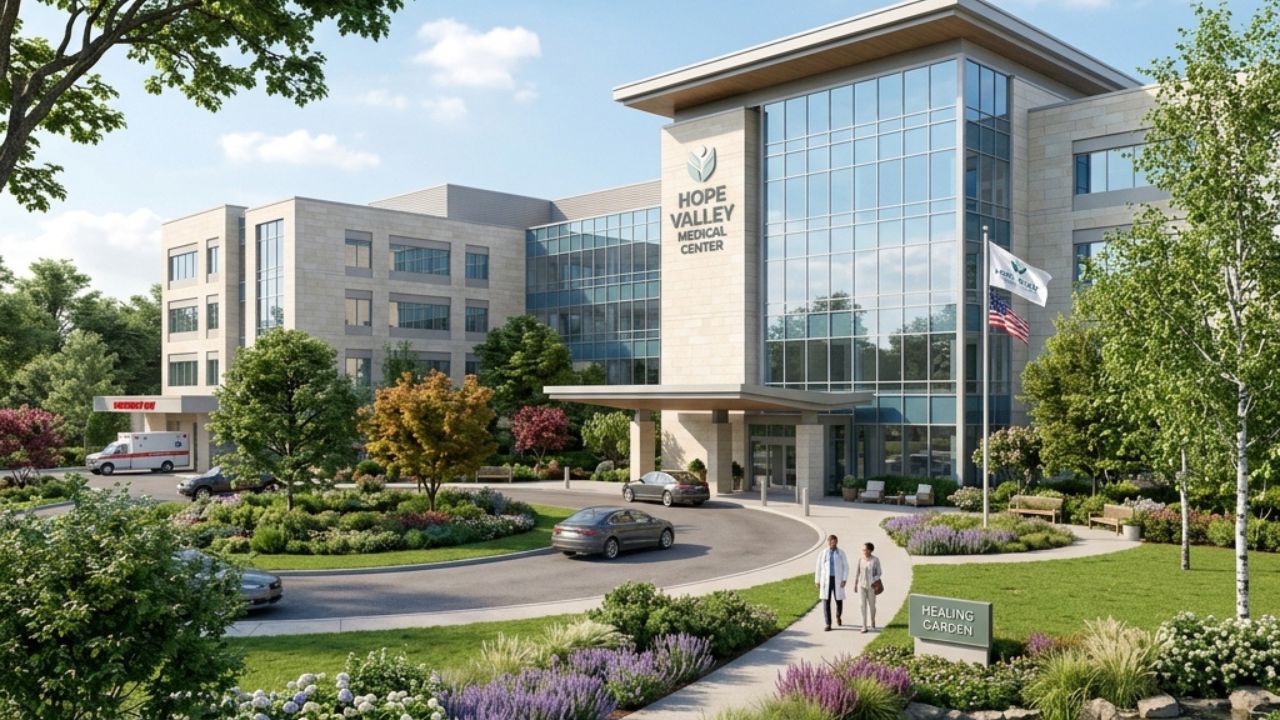
The best hospitals for geriatric care in the USA prioritize specialized senior units, geriatric-certified physicians, and comprehensive rehabilitation programs. Top healthcare facilities are chosen based on their patient safety protocols, multidisciplinary treatment approaches, and dedicated dementia support programs tailored specifically to aging individuals.
The United States is experiencing a major demographic shift. As the baby boomer generation reaches retirement age, the demand for senior healthcare services has skyrocketed. According to the US Census Bureau, the population of adults aged 65 and older is projected to reach over 80 million by the year 2050. This rapid aging of the population presents unique challenges for the healthcare system. Older adults often present with complex medical histories, multiple chronic conditions, and specific physical and cognitive vulnerabilities. Standard medical care is often insufficient to address these nuanced needs.
This demographic reality highlights the growing need for specialized geriatric care. A hospital that excels in this field goes beyond standard adult medicine. A geriatric-friendly hospital creates an environment specifically designed to prevent cognitive and physical decline during hospitalization. These facilities focus on maintaining independence, managing complex medication regimens, and preventing falls.
Finding the right hospital for an aging family member requires careful research and a deep understanding of what specialized senior care actually involves. This comprehensive guide will explain the fundamentals of geriatric medicine, outline the most critical criteria for evaluating healthcare facilities, and highlight the top hospitals for geriatric care in the United States.
What is Geriatric Care and Why is it Important for Senior Health?
The Definition and Scope of Geriatric Medicine
Geriatric medicine is a medical specialty focused on providing care for the unique health needs of older adults. Just as pediatricians specialize in the healthcare of children, geriatricians are doctors who have completed additional training to prevent, diagnose, and treat disabilities and diseases in older adults. The scope of this field is broad. It encompasses acute care during illness, chronic disease management, rehabilitation, and preventative health strategies designed to maximize quality of life.
Common Health Challenges Faced by Seniors
As people age, they become more susceptible to a specific set of medical challenges, often referred to as geriatric syndromes. These challenges include incontinence, frequent falls, memory impairment, delirium, and severe weight loss. Furthermore, older adults frequently suffer from comorbidities. A senior patient might simultaneously manage hypertension, diabetes, osteoarthritis, and heart disease. Treating these interacting conditions requires careful coordination to avoid adverse drug interactions and treatment conflicts.
The Importance of a Multidisciplinary Approach in Geriatric Care
Because senior health issues are highly interconnected, the most effective geriatric care relies on a multidisciplinary team approach. A single physician cannot address all the physical, cognitive, and social factors affecting an older patient. A highly functioning geriatric team includes geriatricians, specialized nurses, physical therapists, occupational therapists, social workers, and pharmacists. This team collaborates to create a comprehensive care plan. For example, a pharmacist will review all medications to prevent dangerous interactions, while a physical therapist designs exercises to improve balance and reduce fall risks.
What Are the Key Criteria for Evaluating Hospitals for Geriatric Care?
When selecting a healthcare facility for a senior, specific benchmarks indicate a high level of competence in elder care. Evaluate hospitals based on the following essential criteria.
Specialized Geriatric Units and Programs
The best hospitals feature dedicated Acute Care for Elders (ACE) units. These specialized wards are physically designed to support seniors. They feature non-slip flooring, enhanced lighting, low beds, and communal dining areas to encourage socialization. The primary goal of an ACE unit is to prevent the physical and cognitive decline that often occurs when older adults are hospitalized.
Geriatric-Certified Physicians and Healthcare Professionals
A hospital’s quality is directly tied to the expertise of its staff. Look for facilities that employ board-certified geriatricians. Additionally, nursing staff should hold certifications in gerontological nursing. These specialized professionals understand the atypical ways illnesses can present in older bodies, such as an infection causing sudden confusion rather than a fever.
Nurse-to-Patient Ratio and Staff Training in Elder Care
Adequate staffing is crucial for patient safety. Hospitals with lower nurse-to-patient ratios can provide the close monitoring that vulnerable seniors require. Ask about ongoing staff training programs. Every hospital employee interacting with older adults should receive training in dementia communication, mobility assistance, and elder abuse recognition.
Comprehensive Rehabilitation Services
Recovery from illness or surgery takes longer for older adults. Top hospitals offer robust inpatient and outpatient rehabilitation services. Physical therapy helps restore mobility and strength. Occupational therapy teaches seniors how to safely perform daily activities like dressing and cooking. Speech therapy assists with swallowing difficulties and cognitive communication issues resulting from strokes or neurological conditions.
Nutritional Support and Dietary Services for Seniors
Proper nutrition is a cornerstone of senior health, yet malnutrition is highly prevalent among hospitalized older adults. Hospitals excelling in geriatric care employ registered dietitians who specialize in senior nutrition. These professionals assess dietary needs, manage feeding difficulties, and create customized meal plans that account for chronic conditions like diabetes or kidney disease.
Palliative Care and End-of-Life Care Options
Advanced illness requires a focus on symptom management and quality of life. Palliative care teams work alongside curative treatment providers to relieve pain, shortness of breath, and treatment side effects. Exceptional hospitals provide seamless transitions to hospice care when curative treatments are no longer effective or desired, ensuring dignity and comfort at the end of life.
Patient Safety Protocols and Fall Prevention Programs
Falls are a leading cause of fatal and non-fatal injuries among older Americans. Hospitals must have rigorous fall prevention protocols in place. This includes regular risk assessments, bed alarms, frequent toileting assistance, and the elimination of environmental hazards. Medication reviews are also part of this protocol, as certain drugs significantly increase dizziness and fall risk.
Dementia and Alzheimer’s Care Facilities and Programs
Hospitalization is highly disorienting for patients with cognitive impairments. Leading hospitals offer specialized dementia care programs. These programs utilize soothing environments, specialized communication techniques, and non-pharmacological interventions to manage agitation and confusion. Wandering prevention systems and closely monitored units keep patients safe.
Family Support Services and Caregiver Education
Geriatric care extends beyond the patient to include family caregivers. High-quality hospitals recognize that caregivers experience significant stress. They offer support groups, social work consultations, and comprehensive education on how to manage medical equipment, administer medications, and provide safe physical assistance at home.
Accreditation and Certifications Relevant to Geriatric Care
Always check a hospital’s credentials. The American College of Surgeons administers the Geriatric Surgery Verification (GSV) program, which recognizes hospitals that optimize surgical care for older adults. Additionally, look for hospitals recognized as an “Age-Friendly Health System” by the Institute for Healthcare Improvement, indicating a commitment to evidence-based practices that matter most to older adults.
Which Are the Top Hospitals for Geriatric Care in the USA?
Several institutions consistently rank at the top for geriatric medicine due to their unwavering commitment to senior health, research, and specialized clinical programs.
Mount Sinai Hospital: Innovative Research and Specialized Clinics
Located in New York, Mount Sinai Hospital is globally recognized for its Martha Stewart Center for Living. This hospital is a leader in geriatric research, constantly developing new models of care. They offer highly specialized outpatient clinics focusing on fall prevention, palliative care, and memory disorders. Their focus on preventative medicine keeps seniors healthier and out of the emergency room.
Johns Hopkins Hospital: Patient-Centered Approach and Comprehensive Services
Johns Hopkins Hospital in Baltimore delivers a deeply patient-centered approach to elder care. Their geriatric services span the entire continuum of care, from acute hospital stays to in-home primary care. They are particularly renowned for their Hospital at Home program, which allows eligible older adults to receive hospital-level care in the comfort of their own residences, significantly reducing the risks of hospital-acquired infections and delirium.
UCSF Medical Center: Excellence in Neurological and Memory Care
The University of California, San Francisco (UCSF) Medical Center excels in the treatment of age-related cognitive decline. Their Memory and Aging Center is a premier research and treatment facility for Alzheimer’s disease and related dementias. UCSF provides a multidisciplinary diagnostic clinic, offering patients and families comprehensive care plans, access to clinical trials, and extensive caregiver support networks.
Cleveland Clinic: Robust Rehabilitation and Post-Acute Care
The Cleveland Clinic in Ohio is praised for its exceptional post-acute care and rehabilitation programs. They understand that a senior’s recovery does not end upon hospital discharge. Their Center for Geriatric Medicine coordinates closely with specialized rehabilitation facilities and home health agencies to ensure a smooth transition. This diligent follow-up care dramatically reduces hospital readmission rates.
Mayo Clinic: Community Outreach and Support Programs for Seniors
With major campuses in Minnesota, Arizona, and Florida, the Mayo Clinic is valued for its collaborative team approach and extensive community outreach. The Mayo Clinic prioritizes education, offering extensive resources for seniors to manage their chronic conditions independently. Their geriatricians work closely with primary care providers in the community to ensure continuous, high-quality care across all stages of aging.
How Should You Choose the Best Geriatric Hospital for Your Loved One?
Selecting the right hospital requires active participation and advocacy from the patient and their family.
Assessing Individual Needs and Preferences
Start by evaluating the specific needs of your loved one. Do they require complex surgery? Are they struggling with advanced dementia? Do they need intensive physical rehabilitation following a stroke? Identifying the primary medical focus will help narrow down the list of potential hospitals that specialize in those specific areas of care.
Consulting with Primary Care Physicians and Geriatricians
Your primary care physician or current geriatrician is your best resource. They understand your loved one’s medical history intimately and can provide targeted recommendations. Ask them which hospitals they prefer for their senior patients and which facilities they have admitting privileges at, as this can streamline the admission process.
Visiting Facilities and Asking Key Questions
Whenever possible, tour the hospitals you are considering. Observe the environment. Is it clean, quiet, and well-lit? Speak with the staff and ask direct questions. Inquire about their fall rates, their protocols for managing delirium, and the availability of social workers to assist with discharge planning. Pay attention to how the staff interacts with current patients.
Understanding Insurance and Financial Considerations
Healthcare costs are a major concern for seniors and their families. Verify that the hospital accepts your loved one’s Medicare or private insurance plan. Speak with the hospital’s financial counselors to understand out-of-pocket costs for specialized geriatric services, rehabilitation, and potential post-acute care facility transfers.
How Will Geriatric Care Evolve in the Future?
The field of geriatric medicine is rapidly evolving to meet the demands of a growing senior population.
Advances in Medical Technology and Treatments
Technology will play a massive role in the future of senior health. Wearable devices that monitor vital signs and detect falls will become standard, allowing for earlier medical interventions. Advancements in precision medicine will tailor pharmaceutical treatments to an older adult’s specific genetic makeup, minimizing side effects and improving efficacy.
The Role of Home-Based Care and Telehealth
The preference for “aging in place” is driving a massive shift toward home-based care models. Telehealth platforms allow seniors to consult with geriatricians from their living rooms, removing transportation barriers. Hospital-at-home programs will expand, providing acute medical interventions outside the traditional hospital walls.
Policy and Advocacy for Senior Health
As the aging population grows, so will the political and social focus on senior health policy. Advocacy groups are pushing for better Medicare coverage for long-term care, increased funding for Alzheimer’s research, and improved wages for direct care workers. These policy shifts will be vital in creating a sustainable healthcare system for older Americans.
Ensuring Quality of Life for Our Seniors
Specialized geriatric care is not just about treating illnesses. It is about preserving dignity, maximizing independence, and enhancing the overall quality of life for older adults. Standard hospital care often overlooks the nuanced vulnerabilities of aging bodies and minds, making specialized facilities critically important.
By understanding what constitutes excellent geriatric care and carefully evaluating hospitals against stringent criteria, families can make informed healthcare decisions. Empower yourself with knowledge, ask difficult questions, and advocate fiercely for the seniors in your life. Taking these proactive steps ensures that your loved ones receive the compassionate, expert care they deserve during their golden years.
Frequently Asked Questions (FAQ)
What makes a hospital “geriatric-friendly”?
A geriatric-friendly hospital features specialized Acute Care for Elders (ACE) units, employs board-certified geriatricians, and implements strict protocols for fall prevention, medication management, and cognitive support.
How does geriatric care differ from standard adult medical care?
Geriatric care focuses heavily on managing multiple interacting chronic conditions, preventing functional decline during treatment, and utilizing a multidisciplinary team approach to address physical, cognitive, and social health simultaneously.
Why is a multidisciplinary team important in senior healthcare?
Senior health issues are complex and interrelated. A multidisciplinary team of doctors, pharmacists, therapists, and social workers ensures that all aspects of a patient’s health are managed cohesively, preventing medication conflicts and promoting faster recovery.
Are there specific accreditations I should look for in a geriatric hospital?
Yes. Look for hospitals recognized as an “Age-Friendly Health System” by the Institute for Healthcare Improvement or those that hold the Geriatric Surgery Verification (GSV) from the American College of Surgeons.
Does Medicare cover specialized geriatric care?
Medicare generally covers inpatient hospital care, including services provided by geriatricians and rehabilitation teams. However, coverage for long-term stays or specific outpatient programs varies, so it is crucial to consult with the hospital’s financial office and your Medicare provider.